

Cognitive Behavioral Coaching
Helping people see themselves clearly and live differently
I help people recognize the thoughts, beliefs, emotional reactions, and learned patterns shaping their lives so they can stop living on autopilot and begin responding more intentionally.
Private coaching sessions held virtually by video.
What I Do
My approach is rooted in Cognitive Behavioral Coaching, a practical, forward-focused approach based on the connection between how we think, how we feel, and how we behave.
Many of our reactions are shaped by automatic thoughts, learned beliefs, old assumptions, and patterns we may not recognize in the moment. Those patterns can quietly influence how we interpret situations, respond emotionally, make decisions, and move through our lives.
In coaching, we slow those patterns down and make them easier to see. We look at what you are telling yourself, the meaning you are assigning to situations, and how those interpretations may be influencing what you do next.
From there, we work on developing more useful perspectives, practicing different responses, and creating intentional changes that support the life you want to build.
The goal is not to tell you what to think or convince you to be positive. It is to help you understand what is shaping you so you can decide how you want to respond.
WHAT IS COGNITIVE BEHAVIORAL COACHING?
Cognitive Behavioral Coaching is a practical, nonclinical approach that applies cognitive and behavioral principles to personal development and intentional change.
Rather than diagnosing or treating mental health conditions, the focus is on increasing awareness of the connection between your thoughts, interpretations, emotions, and behavior so you can develop new ways of responding and moving forward.
Coaching Is Not Therapy
Cognitive Behavioral Coaching is not Cognitive Behavioral Therapy.
Although the approaches share some cognitive and behavioral principles, coaching does not diagnose, treat, or manage mental health conditions.
Coaching is appropriate for people who want to better understand their current patterns, develop practical skills, strengthen personal autonomy, and make intentional changes in their lives.
When clinical mental health treatment is needed, support from a licensed mental health professional is the appropriate choice.
-
QUESTION:
Is Cognitive Behavioral Coaching the same as CBT?
ANSWER:
No. Cognitive Behavioral Therapy, commonly called CBT, is a form of psychological treatment provided within a clinical scope of practice.
Cognitive Behavioral Coaching applies cognitive and behavioral principles within a coaching relationship. We may explore how your thoughts, interpretations, beliefs, and learned patterns influence your current behavior, but the purpose is personal development and intentional change, not mental health diagnosis or treatment.
QUESTION:
Do we talk about the past in coaching?
ANSWER:
We may recognize earlier experiences or learned patterns when they help you understand something happening in your life today.
The focus of coaching, however, is not processing or treating past trauma. We use awareness of your current patterns to help you make intentional choices about how you want to think, respond, and move forward.
QUESTION:
How do I know if I need coaching or therapy?
ANSWER:
Coaching may be a good fit if you are looking for greater self-awareness, clarity, practical tools, and support creating intentional change in your life.
If you are experiencing significant psychological distress, need mental health diagnosis or treatment, or want to process trauma clinically, working with a licensed mental health professional may be more appropriate.
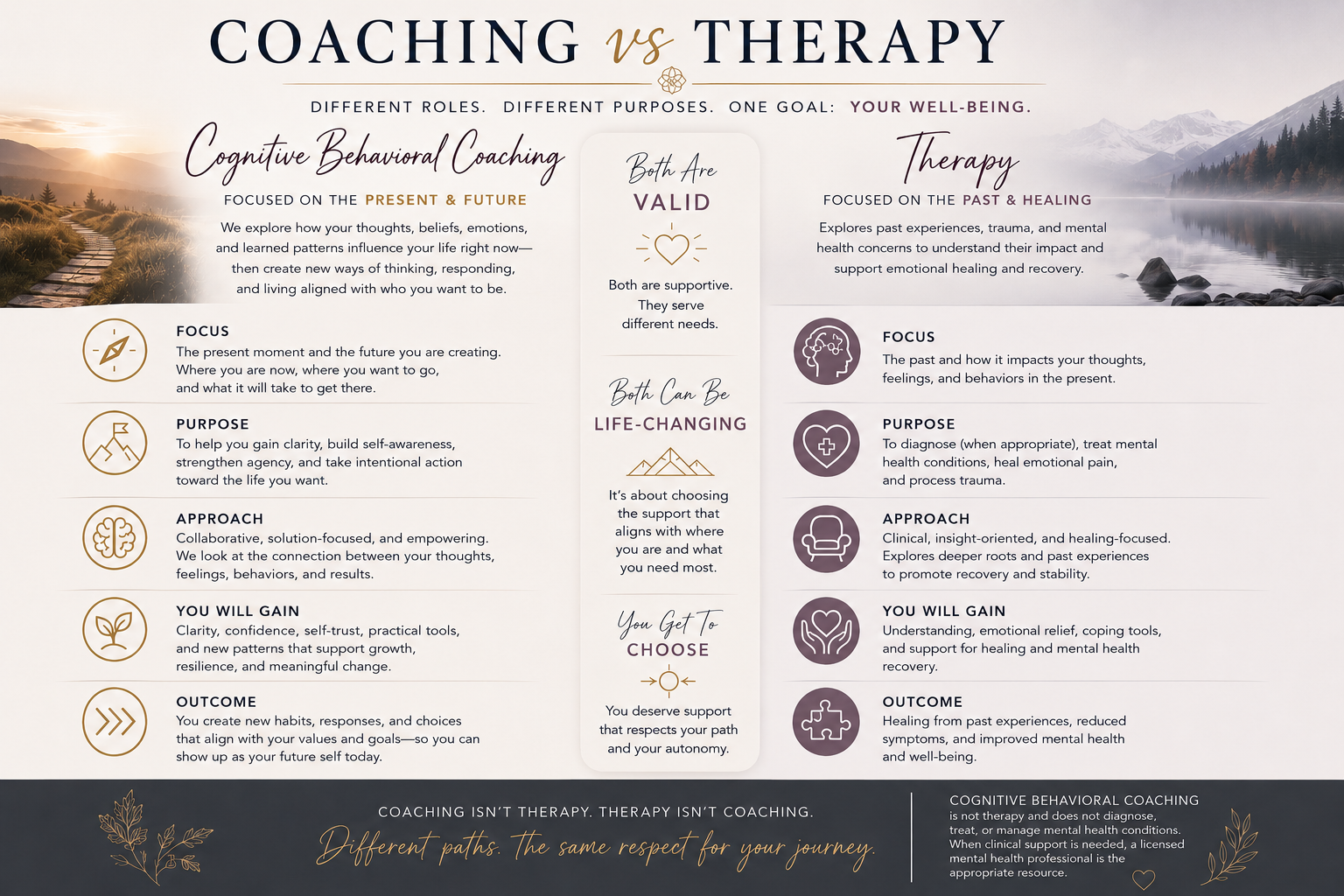
Coaching vs Therapy
Coaching and therapy can both create meaningful change, but they serve different purposes. Understanding the difference can help you choose the kind of support that fits where you are and what you need.

Why I Do What I Do
I’m a person too. I’ve struggled to understand myself. I’ve had difficult relationships. I’ve felt lost, unsure of my direction, and disconnected from any real sense of purpose. I’m not perfect. I’m human.
What changed my life was not pretending I had it all figured out. It was becoming deeply interested in the human experience and in understanding what actually shapes the way we think, feel, react, and live.
That curiosity eventually became a real passion for understanding human behavior. I wanted to understand why we repeat patterns we know are not helping us, why our interpretations can feel so unquestionably true, and why knowing we want something to change does not always make changing it easy.
The more I learned, the more I began to recognize those patterns in my own life. Understanding myself differently changed the way I responded to my thoughts, my relationships, and the choices I was making.
That is why I do this work. I know what it feels like to finally see something in yourself that has been influencing you for years without you realizing it was there.
-
My background is in psychology, but I intentionally chose not to pursue the clinical path.
I have a degree in psychology and specialized training in Cognitive Behavioral Coaching. My interest has always been in understanding how our thoughts, beliefs, interpretations, and learned patterns shape the way we experience our lives.
Rather than diagnosing or treating mental health conditions, I chose to apply my psychology background through coaching. My work focuses on helping people recognize the patterns influencing their current lives, question the assumptions they may be operating from, and intentionally create new ways of thinking, responding, and moving forward.
I believe there is a valuable space between simply knowing you want something to change and needing clinical mental health treatment.
That is the space where I coach.
-
You don't need someone to tell you how to live your life. My role is to help you slow down what is happening beneath the surface, recognize the patterns influencing you, and create space for a different response.
01. NOTICE THE PATTERN
We identify the thoughts, interpretations, emotions, and automatic reactions influencing what you are experiencing.
02. UNDERSTAND WHAT IS DRIVING IT
We explore the assumptions, learned beliefs, fears, expectations, and self-protective patterns operating beneath the surface.
03. QUESTION WHAT YOU HAVE BEEN ACCEPTING AS TRUTH
You learn to examine your thinking with greater clarity and distinguish between facts, fears, assumptions, and old conditioning.
04. PRACTICE A DIFFERENT RESPONSE
We develop practical ways to pause, reframe, regulate, communicate, make decisions, and respond more intentionally.
05. CREATE NEW PATTERNS
Insight becomes meaningful when it changes how you live. We turn what you discover into actions, habits, boundaries, and choices that support the life you want to create.
-
I value truth over performance.
I value clarity over comfort.
I value self-awareness over self-deception.
I also value autonomy.
I am not interested in making people dependent on me or positioning myself as the authority on someone else's life. I believe people are far more capable of understanding themselves than they often realize.
My work is about helping people see more clearly, question what they have been accepting as truth, and develop the confidence to make their own intentional choices.
I want coaching to give you more ownership of your life, not less.
-
For a long time, I struggled to understand myself. I knew what it felt like to feel lost, stuck, insecure, and disconnected from any real sense of direction or purpose. Underneath that was a lot of fear, unworthiness, and confusion about who I actually was.
For two decades, I wrapped much of my identity in being a mom. That role was real and meaningful, but it also became the main way I understood myself. I am still a mom, but now I see that as part of my experience, not the definition of who I am.
What changed my life was understanding how identity gets shaped, how fear can quietly run a person, and how much of what feels personal is often patterned. That understanding gave me space to see my own value more clearly. It is also what made me realize I want to help other people do the same.
Book a Virtual Session
All coaching sessions are held virtually through private video appointments, allowing you to attend from a quiet and comfortable space of your choice.
If you are tired of repeating the same patterns, feeling stuck in yourself, or not understanding why life keeps feeling heavier than it should, this work may be for you.
Cognitive Behavioral Coaching helps you slow down and examine the connection between what you are thinking, how you are interpreting what is happening, how you are responding, and the patterns those responses may be creating in your life.
We are not looking for something wrong with you. We are looking for greater awareness of what may be influencing you so you can make more intentional choices about what happens next.
This work may be helpful if you are:
feeling stuck and unsure why you cannot move forward
burned out, mentally overloaded, or emotionally drained
caught in cycles of overthinking, fear, or self-doubt
emotionally reactive and tired of feeling ruled by your responses
struggling with difficult relationship patterns
feeling lost, disconnected, or unsure of your direction and purpose
stuck in people-pleasing, overexplaining, or trying to control outcomes
aware that something deeper is driving your behavior, but unable to clearly see it on your own
What We May Explore
In our sessions, we may explore:
• automatic thoughts and the meaning you assign to situations
• beliefs and assumptions influencing how you respond
• patterns connecting your thoughts, emotions, and behavior
• fear, stress, and nervous system activation in real time
• emotional reactions that feel difficult to slow down
• self-protective habits that may no longer serve you
• new ways of interpreting and responding to familiar situations
• practical tools for pausing, regulating, and thinking more clearly
• intentional actions that support the person and life you want to build
A note about scope:
Cognitive Behavioral Coaching is not Cognitive Behavioral Therapy.
Although the approaches share some cognitive and behavioral principles, coaching does not diagnose, treat, or manage mental health conditions. My work focuses on self-awareness, personal development, practical skills, and intentional change.
When clinical mental health treatment is needed, support from a licensed mental health professional is the appropriate choice.
What I Write
-
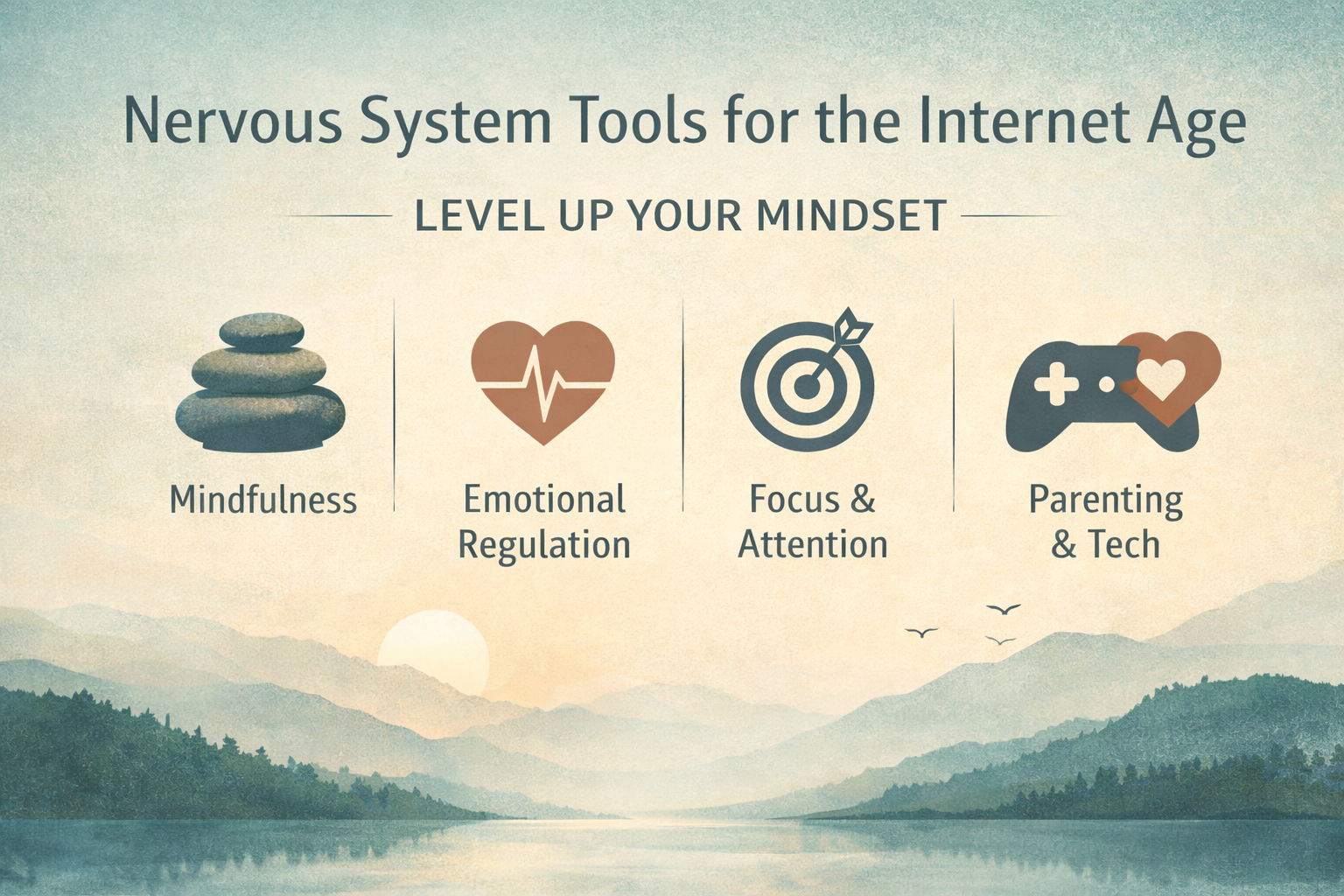
Nervous System Tools for the Internet Age
-
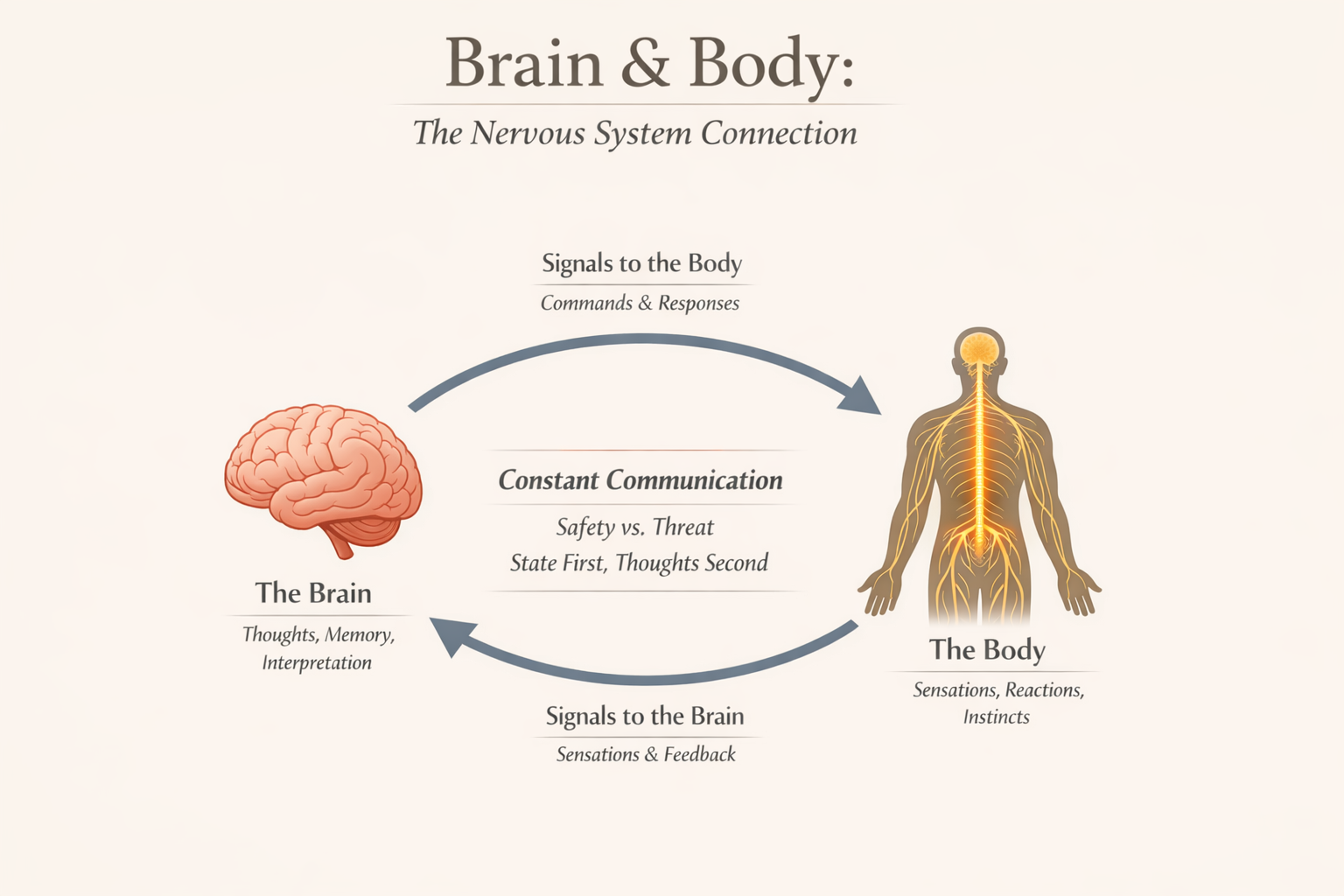
What the Nervous System Actually Is
-
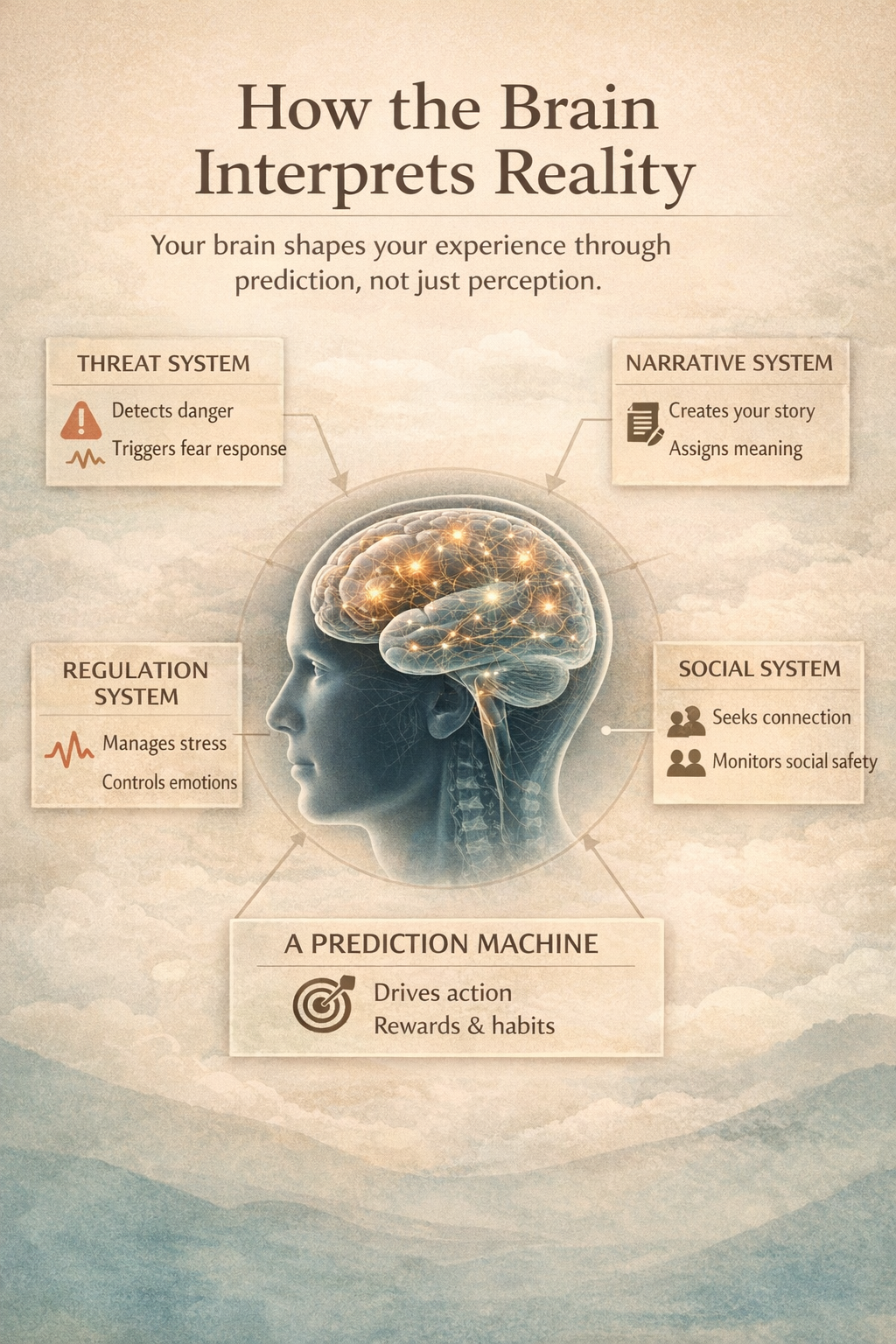
How the Brain Interprets Reality
-

Stress 101: What Happens in Your Brain and Body
Have Questions?
Let's Talk
If you’re wondering whether coaching with me makes sense for what you’re dealing with, send me a message. I’ll help you figure out whether this is the right place to start.
Prefer to call or text?
(417) 657-4332
This form is for questions and inquiries only. If you’re ready to begin, you can book a session above.